Maxleon Font: Elevating Small Business Branding
As a small business owner, I know that every visual touchpoint matters. From the logo on my website to the thank-you card tucked into a package, consistency is what builds trust and recognition. Finding the right typeface can feel overwhelming, but discovering Maxleon changed how I approach my brand identity. This elegant handwritten font brings a natural, personal characteristic to design assets without sacrificing professionalism. For entrepreneurs in the Script Amp category of fonts, Maxleon offers a versatile solution for creating a cohesive look across marketing materials, packaging, and digital content.
Defining the Personality of Maxleon
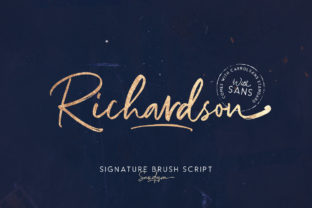
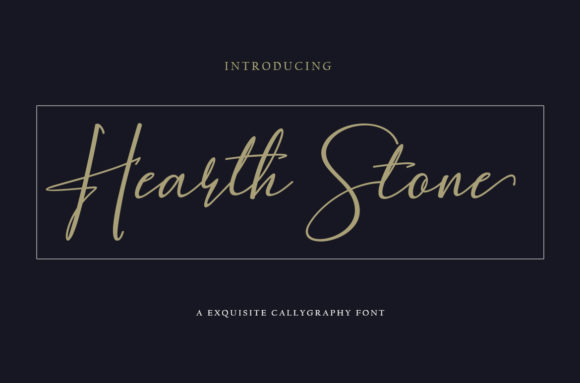
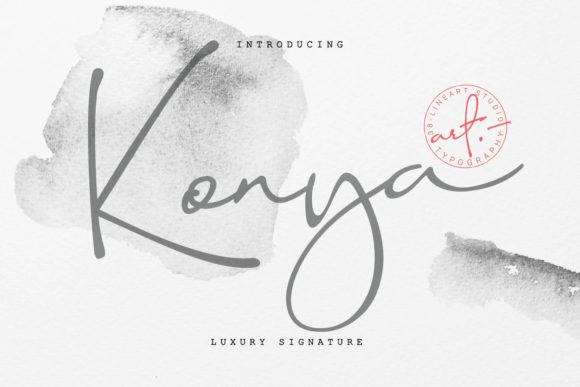
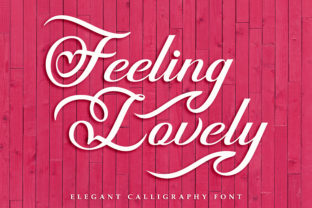
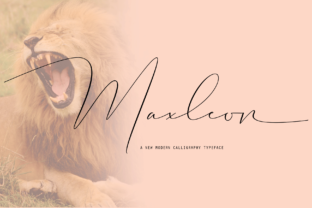
Maxleon is not just another script font; it is a creative tool designed to add warmth and sophistication to modern typography. Its handwritten style feels authentic rather than manufactured, which is crucial for businesses that rely on personal connection. Whether you run a boutique, a café, or an online coaching service, this typeface communicates approachability and attention to detail. The flow of the letters mimics natural penmanship, making it ideal for brands that want to appear artisanal, high-end, or deeply personal. Unlike rigid display fonts, Maxleon has a fluid rhythm that softens corporate messaging while maintaining legibility and style.
Practical Applications Across Business Touchpoints
The true value of a premium font lies in its versatility. I have found that Maxleon performs exceptionally well when applied strategically across various customer-facing materials. It is important to view this font as a key component of your broader brand identity system rather than a standalone decoration.
- Product Packaging and Labels: For handmade candle makers or beauty product sellers, Maxleon adds a luxurious touch to labels. Its elegant strokes stand out against matte textures and kraft paper, signaling quality to the buyer before they even open the box.
- Social Media Graphics: On platforms like Instagram and Pinterest, readability at small sizes is vital. Maxleon works beautifully for quote overlays, announcement banners, and story highlights because its distinct letterforms remain clear even in thumbnails.
- Business Cards and Stationery: A signature-style font on a business card creates an immediate sense of intimacy. Using Maxleon for names or taglines helps differentiate your card from generic templates, making networking efforts more memorable.
- Website Headers and Banners: While body text requires high-readability sans serif fonts, Maxleon serves as an excellent accent for hero sections, sale announcements, or navigation elements that need to capture attention quickly.
- Menus and Signage: Café owners and restaurateurs can use this typeface for daily specials or section headers. It evokes a chalkboard or hand-written menu aesthetic that feels fresh and curated.
Strategic Font Pairing for Professional Results
One common mistake entrepreneurs make is using a decorative font for everything. To maintain a professional appearance, Maxleon should be paired with complementary typefaces. As a general rule in web design and print media, contrast creates hierarchy. Pairing Maxleon with a clean, geometric sans serif font allows the script to shine as a headline while ensuring body copy remains easy to read. Alternatively, combining it with a classic serif font can evoke a traditional, heritage feel suitable for law firms, estate agents, or luxury wedding planners. This balance ensures your branding looks intentional and polished rather than cluttered.
Readability and Contextual Usage
While Maxleon is undeniably beautiful, practical application requires mindfulness regarding readability. In real-world business settings, customers often scan information quickly. Reserve this handwritten font for short bursts of text such as logos, signatures, subheadings, or calls to action. Avoid using it for long paragraphs, pricing tables, or essential contact information where clarity is paramount. When designing for mobile screens, test your graphics at actual size to ensure the intricate details of the script do not blur or become difficult to decipher. If a customer cannot read your price or product name instantly, the aesthetic appeal becomes irrelevant.
Building Trust Through Visual Consistency
Trust is built through repetition. When customers see the same stylistic choices across your email newsletter, product unboxing experience, and social media ads, they subconsciously recognize your brand as established and reliable. Maxleon facilitates this consistency by providing a distinct visual voice that adapts to different mediums. For example, a bakery might use the font for their logo, cake box stickers, and Instagram bio. This unified thread ties disparate marketing channels together, reinforcing brand recall. Investing in a cohesive typographic strategy signals that you care about the details, which translates to perceived value in your products or services.
Testing Before Full Implementation
Before committing Maxleon to your entire brand overhaul, conduct practical tests. Print out mockups of your business cards and packaging labels to see how the ink interacts with the paper texture. View your social media templates on a phone screen rather than just a desktop monitor. Ask for feedback from peers or loyal customers to gauge whether the font aligns with the emotion you want to convey. Sometimes a font looks perfect in a preview window but loses impact when scaled down for a shipping label. These small validation steps save time and money during production and ensure the final result supports your business goals.
Navigating Commercial Licensing and Assets
For any entrepreneur, understanding font licensing is non-negotiable. Fonts are intellectual property, and using them correctly protects your business legally. Always verify the specific license included with Maxleon before applying it to commercial projects. Some licenses cover basic branding and social media, while others may require an extended license for merchandise, digital downloads, or client work. If you plan to sell products featuring this typeface, such as printed mugs or customizable templates, ensure your license permits commercial distribution. Treating design assets with respect not only keeps you compliant but also supports the type designers who create these valuable tools for our businesses. Proper licensing is a hallmark of a professional operation and prevents costly rebranding issues down the road.
Ultimately, Maxleon represents more than just a collection of glyphs; it is a strategic asset for small business growth. By integrating this elegant handwritten font thoughtfully into your branding ecosystem, you create an emotional connection with your audience that standard typography simply cannot achieve. Whether you are launching a new venture or refreshing an existing brand, prioritizing consistent, readable, and licensed design choices will set the foundation for long-term success.