Flat Tracker Font: Bold Type for Handmade Labels
The cursor blinked on my screen as I stared at the latest label design for my soy candle line. For weeks, I had been searching for a typeface that captured the specific energy of my new collection: rugged, nostalgic, and distinctly handmade. Standard scripts felt too delicate for the matte black jars, and typical block letters lacked the soulful character I wanted to convey. Then I loaded up Flat Tracker. As soon as I typed out "Midnight Cedar," the design finally clicked. This wasn't just another display font; it was a motorbike-inspired typeface that brought an immediate sense of motion and authenticity to my packaging. For makers and creative sellers, finding a font that bridges the gap between vintage charm and modern readability is a constant challenge, but this typeface offers a unique solution for products that need to stand out with bold personality.
Capturing Authentic Character in Product Design
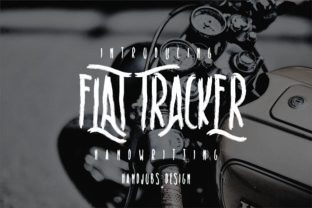
Flat Tracker belongs to the Script Amp category of fonts, but it defies the traditional expectations of that classification. Instead of flowing cursive loops, it delivers a sturdy, condensed aesthetic reminiscent of vintage racing numbers and classic garage signage. When designing physical products, this visual weight matters immensely. On a candle label, the thick strokes of Flat Tracker provide excellent contrast against textured paper or dark glass, ensuring the product name remains legible even from a distance across a market stall or boutique shelf.
This font carries a mood that is difficult to replicate with standard typography. It feels worn-in and purposeful, which aligns perfectly with the values of customers seeking genuine, artisanal goods. Whether you are creating leather workshop tags, screen-printed tote bags, or rustic wedding welcome signs, the typeface communicates craftsmanship before the customer even reads the text. It suggests that the item was built with intention, mirroring the care put into the handmade product itself. For digital download creators, this same energy translates beautifully to printable wall art and planner covers, where users are often looking for designs that feel curated and distinct rather than generic.
Practical Applications for Makers and Sellers
In my own studio, I have found Flat Tracker to be incredibly versatile across different mediums. Its condensed structure makes it ideal for spaces where horizontal room is limited but vertical impact is necessary. Here are several ways this font can elevate real-world projects:
- Product Packaging and Labels: Use it for primary product names on jars, tins, and boxes. The bold letterforms hold up well when printed at smaller sizes on kraft paper or vinyl stickers.
- Apparel and Textiles: Perfect for heat transfer vinyl (HTV) on t-shirts, hoodies, and canvas bags. The solid strokes cut cleanly without intricate details that might peel or lift after washing.
- Event Stationery: Ideal for groomsmen gifts, bachelor party invitations, or industrial-themed wedding signage where a touch of masculine elegance is required.
- Digital Printables: Creates striking headers for motivational quotes, garage organization labels, or vintage-style poster templates available in online shops.
- Social Media Graphics: Provides high-contrast headlines for Instagram stories or Pinterest pins promoting new shop listings or seasonal sales.
When using this font for merchandise like mugs or tumblers, consider the curvature of the surface. Because Flat Tracker has a strong vertical presence, it looks best when centered or stacked rather than wrapped tightly around a small diameter. Testing your layout on a mockup before production ensures the motorbike-inspired style enhances the product shape rather than fighting against it.
Typography Pairings and Layout Strategy
While Flat Tracker commands attention as a display font, it rarely works alone. To create professional, balanced layouts for shop branding or client work, pairing is essential. Because this typeface has such a distinct, heavy personality, it needs a supporting actor that provides breathing room. I frequently pair it with a clean, geometric sans serif font for subtext and ingredient lists. The simplicity of a sans serif allows the Flat Tracker header to shine without creating visual clutter.
For more decorative projects like greeting cards or art prints, try combining it with a delicate handwritten font. The juxtaposition of the rugged, mechanical feel of Flat Tracker against a soft, organic script creates a dynamic tension that is visually engaging. This combination works particularly well for mixed-media styles or heritage brands that want to soften their edge. However, avoid pairing it with other condensed display fonts or heavy serifs, as the competition for attention can make the design feel chaotic and difficult to read.
Layout spacing also requires attention. This font benefits from slightly tighter tracking in large titles to emphasize its solid, blocky nature, but if you are using it for shorter phrases on stickers or tags, adding a touch of letter spacing can improve legibility. Always test your kerning at the actual print size; what looks spacious on a 27-inch monitor may become illegible when shrunk down to a two-inch bottle tag.
Technical Considerations for Cutting and Printing
For Cricut and Silhouette users, Flat Tracker is generally a dream to work with due to its lack of complex internal cutouts. However, because it is inspired by hand-painted signage, some characters may have rough edges or texture depending on the specific version or style selected. Before sending a design to your cutting machine, always use the "weld" or "attach" function to ensure overlapping letters cut as a single unit. This prevents the blade from making unnecessary passes through intersecting lines, which can tear delicate vinyl or cardstock.
If you are printing directly onto products or using sublimation, pay close attention to ink saturation. Bold fonts like this one require consistent coverage. On porous materials like uncoated wood or raw cotton, the ink may bleed slightly outward, making the already-thick letters appear heavier. Adjusting your printer settings or choosing a lighter weight within the font family can compensate for this natural spread. Conversely, on glossy surfaces, ensure the ink dries completely to prevent smudging, as the large solid areas of color take longer to cure than thin script lines.
Licensing and Commercial Use for Small Businesses
As handmade sellers and digital creators, understanding font licensing is as important as the design process itself. Before listing any product featuring Flat Tracker, verify the specific license included with your purchase. Most premium fonts offer different tiers for personal use, small business commercial use, and extended commercial use. If you plan to sell physical items like shirts or mugs, a standard commercial license usually suffices. However, if you intend to use the font in editable templates, digital assets for resale, or high-volume manufacturing, you will likely need an extended or OEM license.
Additionally, check for multilingual support and alternate characters. Many modern creative fonts include ligatures, swashes, or stylistic alternates that can add custom flair to logos and branding. Utilizing these built-in features can make your product look bespoke without requiring manual vector manipulation. Always keep your license documentation organized in your business files; platforms like Etsy or Creative Market may request proof of licensing during routine shop reviews. Respecting intellectual property not only keeps your shop safe but also supports the type designers who create the tools that make our handmade businesses possible.
Ultimately, Flat Tracker serves as a powerful tool for makers who want their typography to tell a story of durability and style. Whether applied to a leather-bound journal, a digital invitation suite, or a ceramic coffee mug, it brings a tangible sense of quality that resonates with customers. By understanding its visual strengths, pairing it thoughtfully, and applying it with technical precision, you can transform simple text into a signature element of your brand identity.